 Pin it
 The first time I watched someone make mapo tofu properly, I was standing in a cramped Shanghai kitchen at 6 AM, and the smell hit me before anything else—that intoxicating blend of fermented bean paste hitting hot oil, the tingle of Sichuan peppercorns, the sharpness of fresh ginger cutting through it all. I'd eaten the dish dozens of times, but making it felt like learning a language I thought I already knew. That silky tofu sliding into the scarlet sauce changed something about how I understood food.
Years later, I made this for friends who'd never experienced real Sichuan food before, and watching their faces when they bit into that first spoonful—the confusion, then the heat, then the strange electric tingle on their lips—was better than any compliment they could've given me. One friend called it "spicy in 3D," and somehow that stuck with me.
Ingredients
- Silken or soft tofu (400 g): Silken tofu creates that melt-in-your-mouth texture, but if you want pieces that hold their shape through vigorous stirring, go with soft tofu instead—the difference shows.
- Ground pork or beef (150 g, optional): The meat adds richness and tiny crispy bits that catch the sauce; skip it for pure vegetarian, but understand you're choosing a different dish.
- Sichuan doubanjiang (2 tbsp): This fermented chili bean paste is the soul of the dish—buy it in jars from an Asian market, and don't substitute it with sriracha or other chili pastes no matter how tempted you are.
- Soy sauce (1 tbsp): Use low-sodium if you can; it lets the other flavors breathe instead of drowning them out.
- Shaoxing wine (1 tbsp): Dry sherry works in a pinch, but Shaoxing wine has a particular sweetness that matters here.
- Sugar (1 tsp): Just a whisper of sweetness to balance the heat and fermented funk.
- Chicken or vegetable broth (1/2 cup): Low-sodium keeps you in control of the final seasoning.
- Cornstarch slurry (1 tbsp cornstarch + 2 tbsp water): This is how the sauce transforms from liquid to glossy and clinging—mix it right before you need it, or the cornstarch will settle.
- Sichuan peppercorns (1 tbsp, toasted and ground): Toast them dry in the pan first to wake up their numbing, lemony oils; grinding them fresh makes all the difference.
- Vegetable oil (3 tbsp): Neutral oil that carries the heat without fighting it.
- Garlic (3 cloves, minced): Fresh and fine, so it dissolves into the sauce rather than chewy chunks.
- Ginger (2 tsp, minced): The same treatment as garlic—small and urgent.
- Scallions (2, whites and greens separated): The whites go into the base for depth; the greens are the final bright garnish.
- Dried red chilies (1–2, chopped): For extra heat if your palate wants it; they'll soften and flavor the oil as it simmers.
Tired of Takeout? 🥡
Get 10 meals you can make faster than delivery arrives. Seriously.
One email. No spam. Unsubscribe anytime.
Instructions
- Mise en place, honestly:
- Drain your tofu gently and cut it into cubes about the size of dice—uniform pieces cook evenly and look intentional in the bowl. Mix cornstarch and water in a small bowl and let it sit; it'll thicken as you need it. Mince your aromatics fine, and keep the scallion whites and greens in separate piles so you don't second-guess yourself mid-cooking.
- Toast the peppercorns to life:
- Heat a large wok or nonstick skillet over medium heat with no oil yet. Add the Sichuan peppercorns and toast for 2–3 minutes, shaking the pan often, until they smell toasted and alive. Grind them in a mortar and pestle until they're broken but not dust, and set aside.
- Build the flavor base:
- Add the vegetable oil to the pan over medium heat. When it shimmers, add the scallion whites, garlic, and ginger all at once. You want to see the garlic just start to color at the edges, smell the ginger rising up—this takes about 1 minute. Don't let it burn; you're building a bridge, not charring ruins.
- Brown the meat if you're using it:
- Crumble the ground pork or beef into the pan and let it sit for a moment before stirring. Break it apart with your spoon, and cook until it's no longer pink and starting to brown at the edges, about 3–4 minutes. This develops flavor that seasoning alone can't touch.
- Awaken the doubanjiang:
- Stir in the chili bean paste and dried chilies (if using). You'll see the oil turn red almost immediately, and the smell will become unmistakably Sichuan—funky, spicy, alive. Cook for 1–2 minutes, stirring often, so the paste doesn't catch and burn on the bottom.
- Bring in the liquid and heat:
- Pour in the Shaoxing wine first—watch it sizzle and steam off slightly—then add the soy sauce, sugar, and broth. Give it a gentle stir and bring it to a simmer. The sauce will look thin now, but trust the process.
- Introduce the tofu with care:
- Gently slide the tofu cubes into the simmering sauce as if you're settling them into a warm bath. Spoon the sauce over them and let them simmer for about 5 minutes without stirring too much. Tofu is delicate, and aggressive stirring will turn it into mush—a few gentle movements are enough to coat it evenly.
- Thicken with the slurry:
- Give your cornstarch mixture a quick stir to recombine it, then drizzle it slowly into the pan while stirring gently with the sauce. You'll watch it transform from thin to glossy and coating within seconds. Stop adding slurry when the sauce reaches the consistency you want; you might not need all of it.
- Season with the peppercorns:
- Sprinkle in about three-quarters of the ground Sichuan peppercorns and half of the scallion greens. Stir once more, very gently, to distribute the numbing spice throughout.
- Serve immediately and with intention:
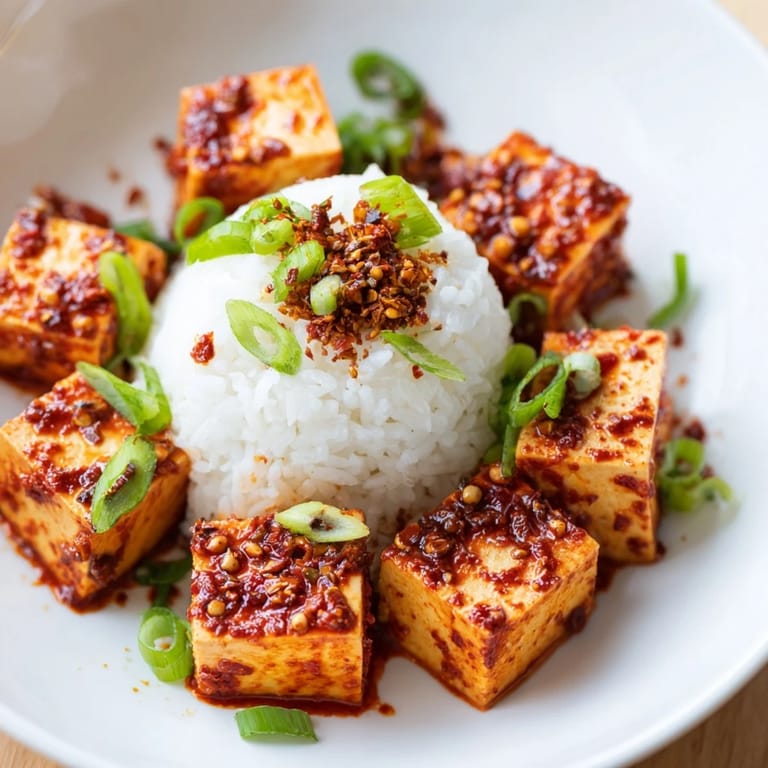
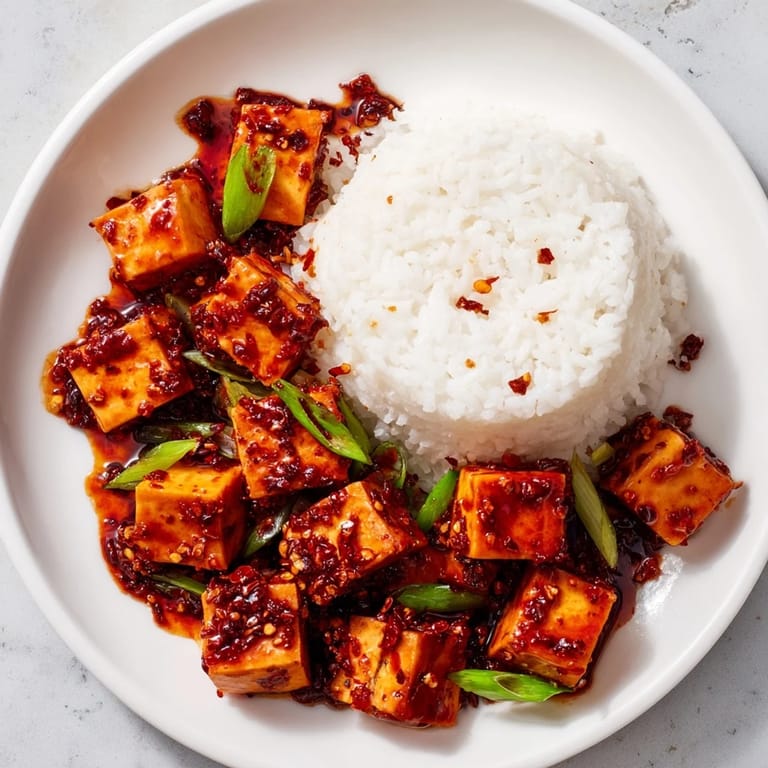
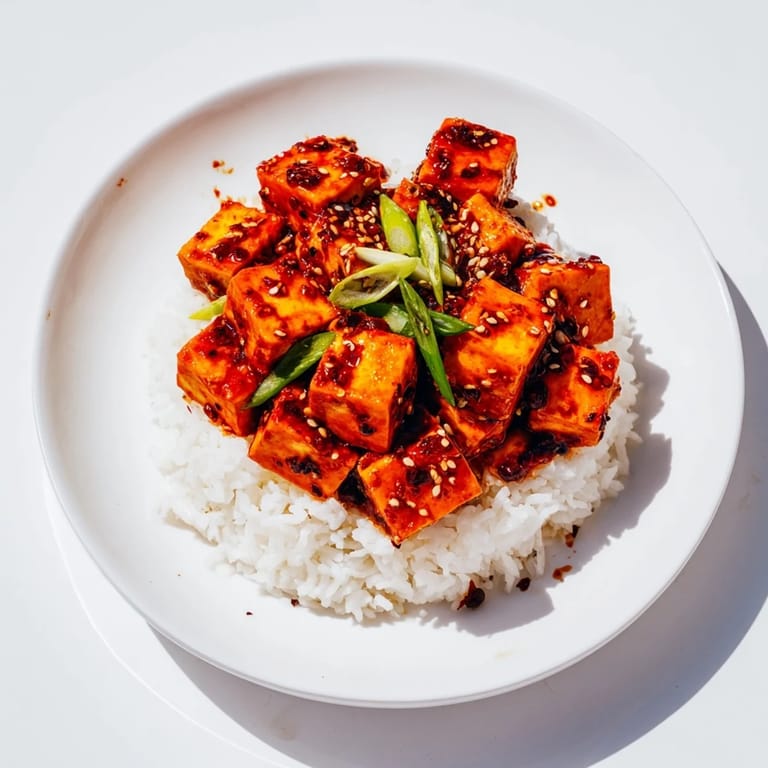
- Spoon the mapo tofu over steaming jasmine rice, scatter the remaining scallion greens on top, and add a small drizzle of chili oil if you want to push the heat further. The dish is best eaten right away, while the tofu is still warm and the sauce is still clinging.
 Pin it
 I remember my friend asking why the dish was called "mapo," and someone explained that it meant "pockmarked grandmother," which led to this whole conversation about the woman who supposedly invented it, a widow running a small restaurant in Chengdu. Whether that story is true doesn't matter as much as the fact that this dish, humble as it is, has enough character to carry a legend.
The Soul of the Sauce
The doubanjiang is everything here—it's fermented soy and chili paste that has been sitting in salt for months or years, developing this deep, complex funk that casual cooks often mistake for too salty or too weird. But that funk is the signature. Some people buy pre-made mapo tofu sauce packets, and I won't judge them, but you're missing the chance to taste the difference between something assembled and something built. When you brown the paste in hot oil, you're not just heating it; you're releasing oils and aromatics that have been trapped in fermentation, and that's when the dish becomes itself.
The Tofu Question
Silken versus soft tofu is a real choice, and it depends on what experience you want. Silken tofu is delicate, custard-like, almost too soft to handle, and when it's treated gently, it melts on your tongue in the best way. Soft tofu is firmer, holds its shape better when you spoon it, and has a slight resistance when you bite it. Firm tofu is too dense for this dish—it stays tofu-shaped but loses the tenderness that makes mapo tofu special. I've gone back and forth between silken and soft, and I think it depends on your mood and how confident your hands are with a spoon.
Heat and Balance
The spice in this dish comes from three sources: the doubanjiang itself, the dried chilies you add, and the Sichuan peppercorns that create the numbing sensation. None of these are optional for authenticity, but all three are adjustable for your tolerance. If you're new to Sichuan food, start with 1 tablespoon of doubanjiang and no dried chilies, then taste and scale up next time. The beauty of this dish is that it's forgiving—you can dial the heat up or down without losing its identity.
- Taste the sauce before you add the tofu so you can adjust the salt, spice, and sweetness while you still can.
- Sichuan peppercorns taste better when you toast and grind them fresh; pre-ground versions lose their oils and their point.
- Keep chili oil on the table for anyone who wants to push the heat further at the last moment.
 Pin it
 Every time I make this, I think about that morning in Shanghai, and how the best dishes are the ones that teach you something about cooking and about yourself. Mapo tofu taught me that heat and spice aren't just about burning your mouth—they're about building flavor in layers, and respecting an ingredient enough to let it speak.
Recipe Questions & Answers
- → What type of tofu works best?
Silken or soft tofu creates a delicate texture, but firmer tofu holds shape better during cooking.
- → How can I adjust the spice level?
Vary the amount of chili bean paste and dried chilies to make it milder or spicier according to taste.
- → Can I make this vegetarian?
Yes, simply omit the meat and use vegetarian chili bean paste and vegetable broth.
- → What sides pair well with this dish?
Steamed jasmine rice is traditional, and a crisp off-dry white wine like Riesling complements it nicely.
- → How do I prepare the Sichuan peppercorns?
Toast them in a dry pan until fragrant, then grind to release their numbing aroma before adding to the dish.