 Pin it
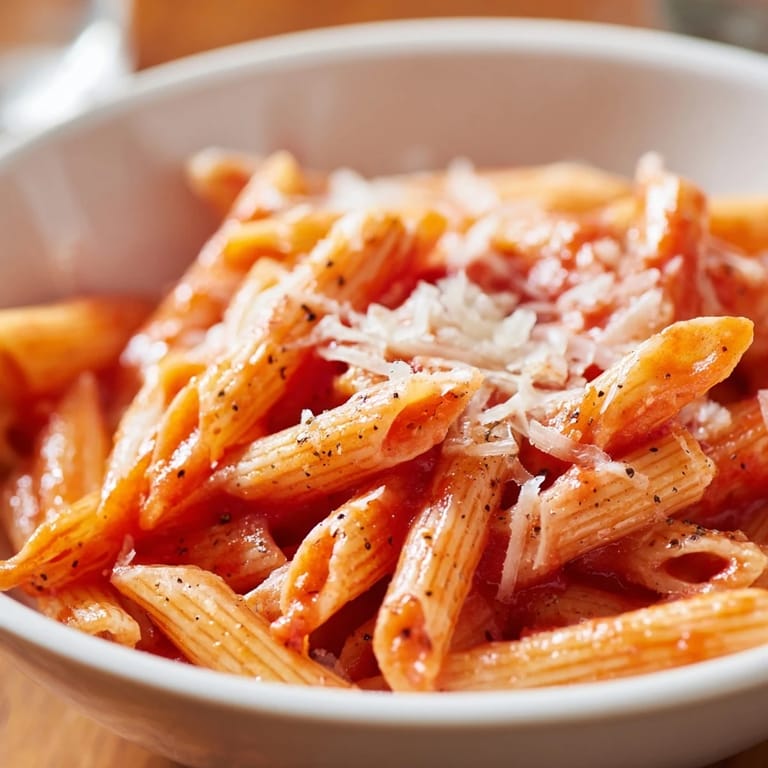
 There's something deeply satisfying about a steaming bowl of perfectly cooked pasta, especially when it comes together in minutes with minimal effort. This microwave bowl pasta transforms the traditional stovetop method into a streamlined process that delivers tender, al dente noodles without the fuss of boiling water or watching a pot. Whether you're a busy professional, a college student in a dorm room, or simply someone who appreciates efficient cooking, this method proves that delicious meals don't require complicated techniques or hours of preparation.
Pin it The genius of this method lies in its simplicity: the pasta cooks directly in its cooking liquid, absorbing just enough water to become tender while creating a light starch that helps sauce cling to every piece. It's the kind of recipe that becomes a weekly staple, adaptable to whatever ingredients you have in your pantry and reliable enough to serve to unexpected guests.
Ingredients
Tired of Takeout? 🥡
Get 10 meals you can make faster than delivery arrives. Seriously.
One email. No spam. Unsubscribe anytime.
- 85 g (3 oz) dried pasta (penne, fusilli, or elbow macaroni work best)
- 375 ml (1 ½ cups) water
- ¼ tsp salt
- 1 tsp olive oil or butter (optional)
- 2 tbsp grated Parmesan cheese (optional)
- Freshly ground black pepper, to taste (optional)
- 2 tbsp marinara sauce or pesto (optional)
Instructions
- Step 1
- Place the dried pasta in a large, microwave-safe bowl (the pasta should not fill more than half the bowl).
- Step 2
- Add water and salt. Stir to combine.
- Step 3
- Microwave uncovered on high for 4 minutes.
- Step 4
- Stir the pasta, then microwave in 2-minute increments, stirring after each, until pasta is al dente and most of the water is absorbed (total 8–10 minutes depending on pasta shape and microwave wattage).
- Step 5
- If needed, drain any excess water.
- Step 6
- Stir in olive oil or butter, Parmesan, black pepper, and sauce if using.
- Step 7
- Serve immediately.
Zusatztipps für die Zubereitung
Choose a bowl that's significantly larger than your pasta amount to prevent boil-overs during cooking. The water will bubble vigorously as it heats, and having extra space keeps your microwave clean. If you're using a particularly large pasta shape like rigatoni or shells, consider extending the cooking time by 1-2 minutes to ensure the centers become fully tender.
Varianten und Anpassungen
This technique adapts beautifully to gluten-free pasta—simply follow the same method but check for doneness a minute or two earlier, as gluten-free varieties can cook more quickly. For a protein boost, add frozen peas or edamame during the last 2 minutes of cooking, or stir in leftover cooked chicken, chickpeas, or white beans after draining.
Serviervorschläge
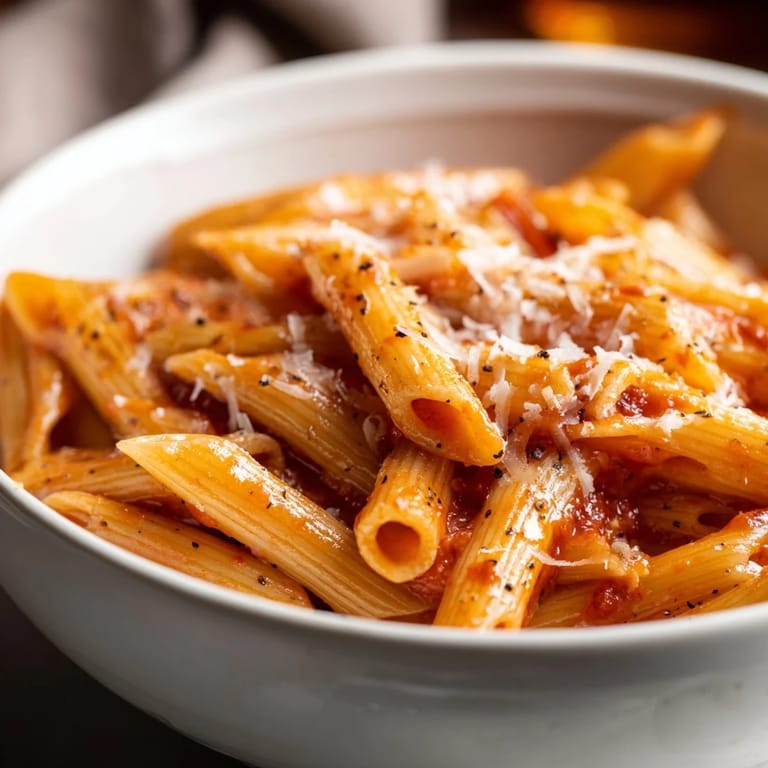
Keep it classic with marinara and Parmesan, or go creamy with pesto and a dollop of ricotta. A drizzle of high-quality olive oil and fresh basil leaves transforms this simple dish into restaurant-quality fare. For extra richness, top with a pat of butter that melts into the hot noodles, creating a silky coating that's absolutely irresistible.
 Pin it
 This microwave pasta method is more than just a hack—it's a legitimate cooking technique that delivers consistently excellent results. Once you master the timing for your microwave and preferred pasta shape, you'll find yourself reaching for this recipe again and again. It's proof that good cooking doesn't have to be complicated, and that sometimes the simplest methods yield the most satisfying results.
Recipe Questions & Answers
- → How do I know when the pasta is done?
Cook in 2-minute increments, stirring each time until pasta is tender but firm to the bite.
- → Can I use different pasta shapes?
Penne, fusilli, and elbow macaroni work best, but other dried pasta may be used with adjusted cooking time.
- → Is it necessary to drain the water after cooking?
Drain only if excess water remains; most should be absorbed during microwaving.
- → Can I add flavors after cooking?
Yes, stirring in olive oil, butter, cheese, or sauce enriches the dish’s taste and texture.
- → How can I adapt this method for gluten-free pasta?
Use the same steps but check doneness carefully, as cooking times may vary depending on the pasta type.