 Pin it
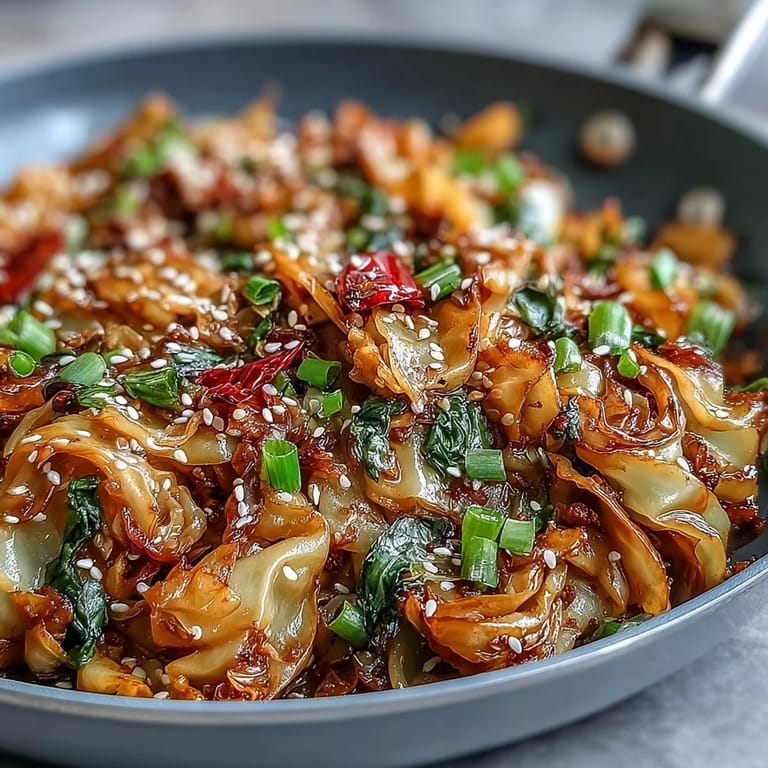
 The kitchen always seems to come alive when there’s a sizzle in the wok and the promise of spice in the air. I wasn’t even planning on making anything grand the first time spicy cabbage stir fry happened in my apartment—it started as a quick fix for a leftover head of cabbage, but the fragrant garlic and chilies drew my roommate in from down the hall. The onions softened, then the ginger hit the heat, and suddenly dinner felt more like a celebration than an afterthought. Sometimes that’s the best part: when a dish you never plan takes center stage and, for a moment, transforms your weeknight ritual. It’s humble, alive with color, and as fiery or gentle as you want it to be.
One week, after a string of grey days, I threw together this dish with carrot and extra chilies, and my neighbor dropped by, drawn by the sounds and smells. We ended up standing by the stove with chopsticks, stealing bites right from the wok and laughing about how cabbage could suddenly taste like something to write home about. It’s become my go-to when anyone suggests a potluck, because it’s fast and always disappears first from the table. Even the ‘I’m not a cabbage person’ crowd comes back for seconds. Cabbage, as it turns out, is just waiting for a little attention and the right hit of heat.
Ingredients
- Green cabbage: Slicing it thin ensures it softens quickly while staying perfectly crisp, and picking a dense, vibrant head really does make a difference.
- Carrot: Add it for a bite of sweetness and extra color; julienning by hand makes for pretty slivers that cook in a flash.
- Spring onions: Separate whites from greens—their sharp bite and gentle finish add layers of flavor at different stages.
- Garlic: Chopping finely unlocks its fragrance; don’t skimp as it brings the base flavor alive.
- Fresh ginger: Grate it just before tossing in so it’s punchy and fresh rather than woody.
- Red chilies: The real star for heat—use as few or as many as your taste buds allow and always try a little first!
- Soy sauce: Go with tamari if gluten is an issue, and choose a good quality for real depth of flavor.
- Rice vinegar: A little tang balances the chili and garlic—don’t skip it even if you’re tempted.
- Toasted sesame oil: Adds a whisper of nuttiness, but a little goes a long way.
- Sugar or maple syrup: Just enough to mellow everything out—sweetness is your balancing act here.
- Ground white pepper: Offers a gentle warmth you might not expect but wouldn’t want to miss.
- Vegetable oil: High heat tolerance is key; go for sunflower or peanut oil for the best stir fry results.
- Toasted sesame seeds: Sprinkle at the end for crunch and visual appeal—don’t forget toasting really deepens their nutty flavor.
- Fresh coriander leaves: Totally optional, but if you love a fresh herby finish, add a few leaves just before serving.
Tired of Takeout? 🥡
Get 10 meals you can make faster than delivery arrives. Seriously.
One email. No spam. Unsubscribe anytime.
Instructions
- Prep your veggies:
- Slice and chop everything before you ever turn on the stove—the speed of the stir fry leaves no time for knife work once the heat is on.
- Heat your wok:
- Let your oil heat until it shimmers, then tip in garlic, ginger, and chilies—you’ll hear pops and sputters and catch an instantly mouth-watering aroma.
- Build your flavor base:
- Toss in just the white parts of the spring onion and carrots and give them a minute to soak up all that garlicky oil, stirring gently to keep them moving.
- Cabbage time:
- In with the cabbage—watch it wilt and brighten as you toss and tumble with your spatula, keeping the movement lively for even cooking.
- Sauce it up:
- While the veggies mingle, whisk together your sauce in a bowl, then drizzle it over—immediately you’ll notice the glaze and shine developing on every shred of cabbage.
- Finish on a high note:
- The last few minutes are just about finessing—toss everything one last time, add in the spring onion greens, and taste for salt or heat before piling onto a plate.
- Garnish and serve:
- Scatter toasted sesame seeds (and coriander if you like) just before serving, and bring everyone to the table while it’s still steamy and vibrant.
 Pin it
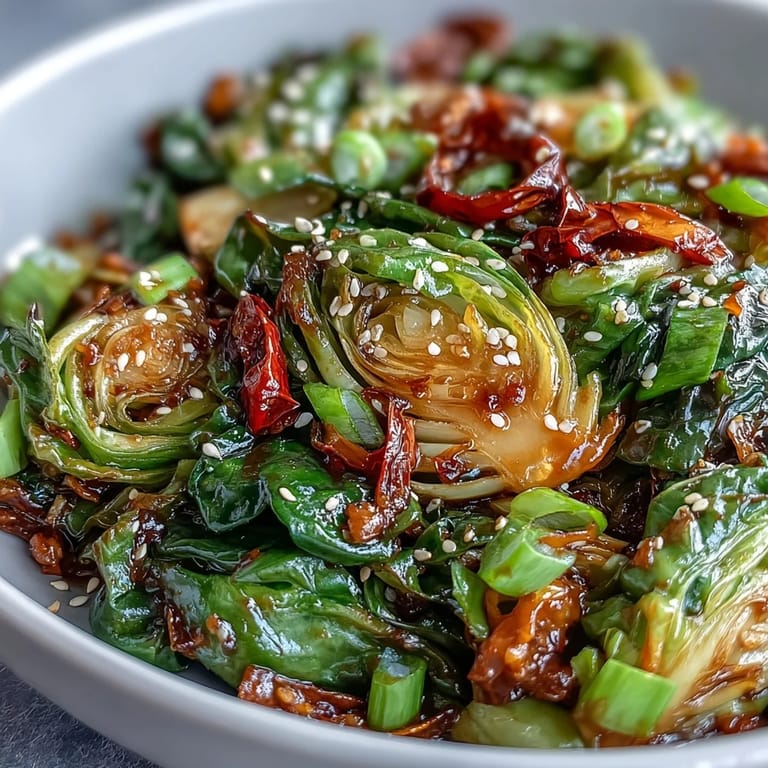
 It’s funny how something so simple, shared straight from the wok with friends gathered close, can feel like a tiny celebration. More than once, serving this stir fry has turned a weeknight into something almost festive at my kitchen counter.
Let’s Talk Texture
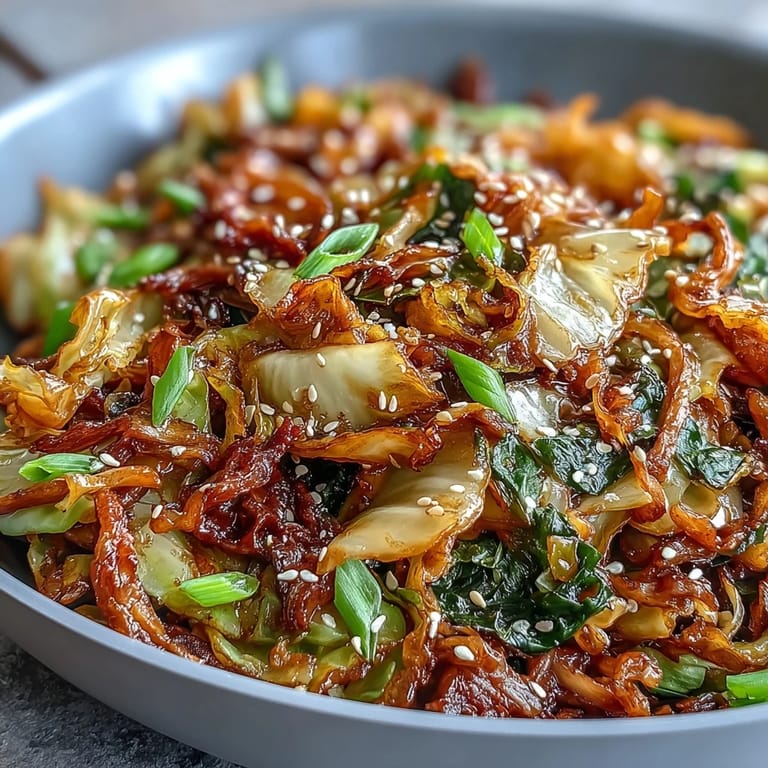
The biggest surprise is how cabbage behaves in the heat—it goes from squeaky and stiff to glossy and just tender, with a satisfying crunch that keeps each bite interesting. The carrot, if you include it, softens to just the right extent, offering a sweet counterpoint to the bold savory notes.
How to Adjust the Spiciness
There’s an art to balancing the chili: if you don’t love a fiery dish, try using just one chili or even swapping in a pinch of chili flakes for a gentler warmth. If you’re in the mood to push boundaries, grab an extra chili and toss in the seeds for that unmistakable kick—but always taste as you go.
Serving Ideas & Shortcuts
This stir fry pairs beautifully with fluffy steamed rice or noodles, and can even hold its own as a filling for wraps or lettuce cups if you’re feeling creative. I’ve learned that leftovers keep surprisingly well, though they’re rarely left for long in my fridge.
- If you want extra protein, toss in pan-seared tofu right at the end.
- Add bell pepper for more color or mushrooms for earthy flavor.
- Don’t overlook the power of a quick garnish—those sesame seeds make every bite better.
 Pin it
 Here’s to making cabbage the most exciting thing at dinner—one smoky, spicy, joyful wokful at a time. May this stir fry bring as much brightness to your table as it does to mine.
Recipe Questions & Answers
- → How do I keep the cabbage tender-crisp?
Slice the cabbage thinly and keep the pan very hot. Toss constantly and cook in short bursts (2–3 minutes) so it wilts but retains bite and bright color.
- → Can I adjust the heat level?
Yes. Reduce or omit fresh red chiles, or remove seeds. For smoky heat, use a pinch of chili flakes or a splash of chili oil to suit your taste.
- → What makes the sauce balanced?
The mix of soy, rice vinegar, sesame oil and a touch of sugar rounds salt, acid and fat. Taste and tweak each component to match your preferred brightness and depth.
- → How can I make this gluten-free?
Swap regular soy sauce for tamari or a certified gluten-free soy alternative. Check labels on sesame oil and other packaged items for hidden gluten.
- → What protein additions work well?
Cube and pan-fry tofu or toss in tempeh for extra protein. Add them toward the end so they brown without overcooking the cabbage.
- → How should leftovers be stored and reheated?
Cool quickly and refrigerate in an airtight container for up to 3 days. Reheat in a hot skillet to revive the texture; avoid the microwave to prevent sogginess.