 Pin it
 I'll never forget the evening I discovered that a cheese board could be so visually dramatic it stopped conversation mid-sip. A friend brought over a slate-dark platter—all ash-rinded cheeses, blackberries, and charcoal crackers arranged like edible architecture—and suddenly everyone at the table leaned in closer. It wasn't about complexity; it was about restraint. The monochrome palette made every element feel intentional, almost precious. That night, I realized that elegance isn't always about color and noise. Sometimes it whispers.
I made this for a dinner party last winter when everyone felt exhausted by holiday excess. They arrived tired, but the moment they saw that gray-and-black board lit by candlelight, something shifted. We ended up lingering for hours, talking and nibbling, everyone marveling at how such a simple idea felt so refined. The cheeses stayed just cold enough to taste perfect, and I didn't spend the evening cooking. It became the kind of meal that actually brought people together instead of keeping the host trapped in the kitchen.
Ingredients
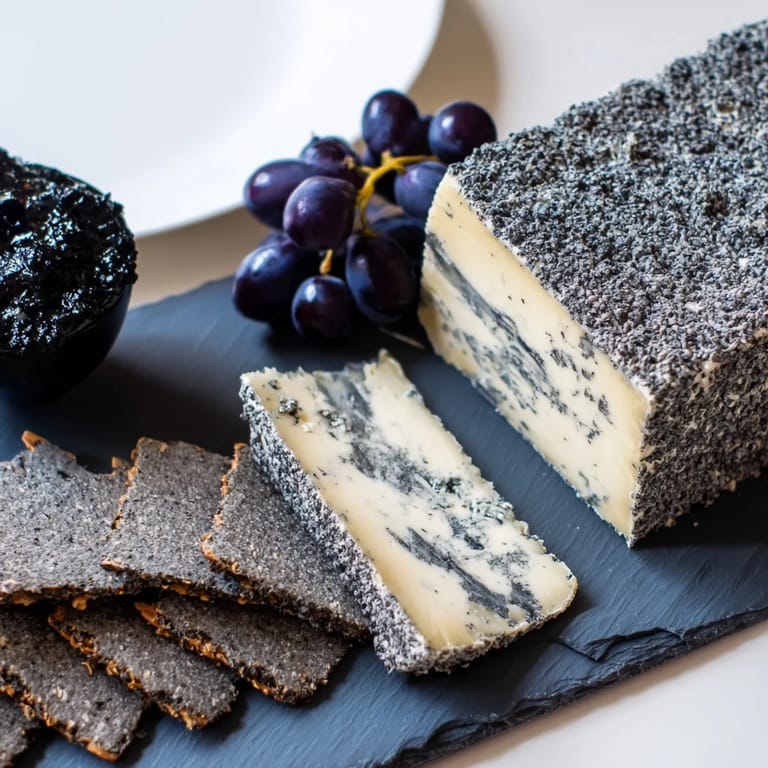
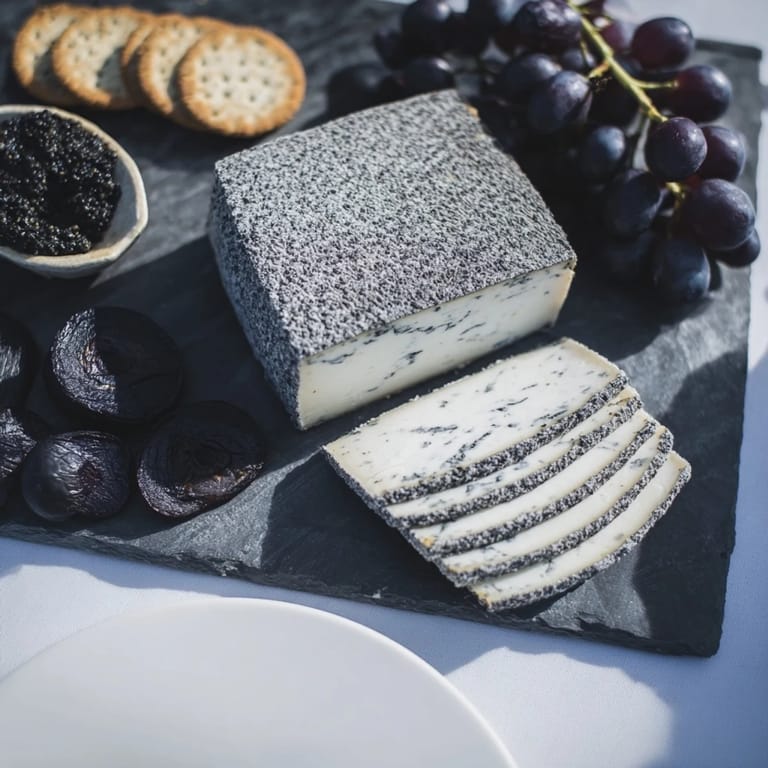
- Morbier or other ash-rinded semi-soft cheese (150 g): This is your visual and flavor anchor—that distinctive dark line running through it isn't just pretty, it adds a subtle mushroomy complexity. I learned to slice it just thick enough that it doesn't crumble but thin enough to appreciate the texture difference between the creamy interior and the delicate ash coating
- Humboldt Fog or similar ash-ripened goat cheese (120 g): Softer and brighter than the Morbier, this rounds out your cheese story. The ash exterior protects a tender interior that gets creamier as it sits at room temperature—let it breathe for a few minutes before guests arrive
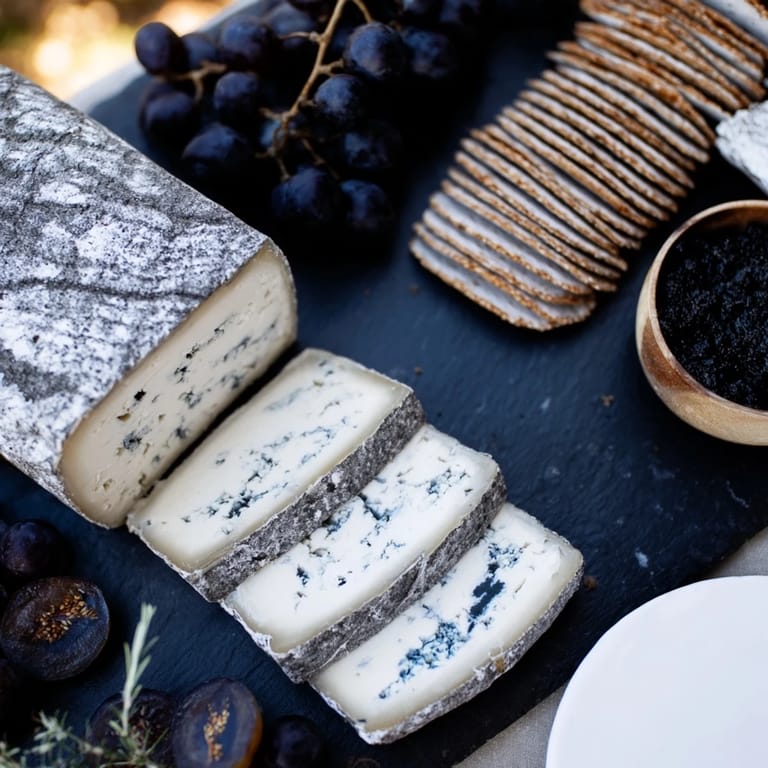
- Valdeon blue cheese or any blue cheese with gray veining (100 g): This is where umami lives on your board. Choose one with visible gray-blue marbling; it's the flavor anchor that makes people pause and really taste
- Slate-colored charcoal crackers (8–10 pieces): These aren't just functional—they're part of the visual language. Look for ones at specialty shops; they taste slightly smoky and nutty, which plays beautifully against the creamy cheeses
- Dark rye or pumpernickel bread (6–8 slices): Hearty and naturally dark, this bread has just enough fermented tang to balance rich cheese. The slight sourness is essential; avoid sweet varieties
- Black grapes or dark plums: The juicy sweetness cuts through the cheese richness and adds essential textural contrast. I slice plums to show off their deep ruby interiors against the dark board
- Blackberries or blueberries: Tart enough to cleanse the palate, small enough to tuck into gaps. They catch light beautifully against the slate
- Black olive tapenade (2 tbsp): This bridges cheese and produce, adding briny depth. Spoon it into a small dark ceramic bowl or let it live directly on the board—either way, it's a flavor surprise
- Edible charcoal salt: Don't skip this. A pinch over the soft cheeses adds minerality and reinforces your monochrome commitment. It's the seasoning that makes you taste the board differently
- Fresh rosemary or thyme sprigs (optional): Use sparingly—their green is the only color break, so position them thoughtfully. They perfume the air and suggest freshness without disrupting the aesthetic
Tired of Takeout? 🥡
Get 10 meals you can make faster than delivery arrives. Seriously.
One email. No spam. Unsubscribe anytime.
Instructions
- Prepare your canvas:
- Set that dark stone or slate board in front of you like you're about to paint. Run your hand across it—feel the slight roughness that will anchor everything. This surface matters; it's not just a platter, it's the frame that makes the composition sing
- Slice and position the cheeses:
- Take your time here. The Morbier wants to be cut thick enough to show off that dramatic line—about a quarter-inch. Let the Humboldt Fog stay a bit more delicate, maybe three-eighths of an inch. The blue cheese can be cut into wedges or crumbles, whatever feels right in the moment. Arrange them across the board in visual triangles, leaving breathing room between each cheese so they don't compete
- Fan and stack the breads:
- Lean the charcoal crackers against each other in a gentle fan, like cards about to topple. Stack the pumpernickel slices beside them. This isn't random; you're creating little pockets of height and depth that make eyes travel around the board
- Scatter the fruit:
- Now you're filling the negative space, but thoughtfully. Cluster the grapes in small groups—three or four together, not scattered chaos. If using plums, arrange them cut-side up so that deep ruby interior shows. Sprinkle blackberries and blueberries into the remaining gaps like jewels. Step back. Does it feel balanced? Adjust until it does
- Add the tapenade:
- Set your small dark bowl in a prominent spot, or spoon the tapenade directly onto the board. Either way, it should feel like a destination, not an afterthought
- Season and garnish:
- With a gentle hand, sprinkle that edible charcoal salt over the soft cheeses—just enough to catch light. Position your rosemary or thyme sprigs as the final gesture, tucking them into the composition where they add shape without overwhelming
- Serve immediately:
- Set out cheese knives, small plates, and perhaps small forks. The board is at its best when cheeses are still cool but soft enough to spread easily. The moment before serving is the moment it's most beautiful—capture that if you want to—then invite people to eat
 Pin it
 My grandmother taught me that sometimes the most beautiful thing you can create in a kitchen isn't something you've cooked—it's something you've arranged with love and respect for your ingredients. When I look at that monochrome board, I see her hands teaching me that elegance is about knowing what to leave out.
The Monochrome Secret
The power of this board lives in its restraint. In a world of fruit platters bursting with rainbow chaos, something about keeping everything in the gray-black-white family feels almost rebellious. It forces you—and your guests—to notice texture, shape, and flavor rather than being seduced by bright colors. The ash-rinded cheeses become the stars, not supporting players. The tiny blackberries feel more precious because they're the only dark fruit allowed. It's like learning to cook without salt and suddenly tasting food differently. Limitation becomes creativity.
Cheese Pairings That Actually Work
These three cheeses together create a flavor narrative. The Morbier whispers earthiness, the Humboldt Fog offers delicate tang and creaminess, and the Valdeon blue brings bold, umami depth. They don't compete; they converse. If you can't find these exact cheeses, look for the story they tell: one soft and ash-rinded, one goat cheese with gray exterior, one blue cheese with visible gray veining. Local cheesemakers often have versions that work beautifully. I've learned to ask the cheesemonger what just came in rather than hunting for specific names—sometimes the most memorable version is the one you didn't expect to find.
Wine and Serving Moments
This board whispers for a glass of something with character—a malbec with its deep berry notes, a smoky pinot noir that echoes the charcoal crackers, even a natural wine with unexpected minerality. The beauty of this specific combination is that it doesn't demand a fancy wine list; it simply rewards wine that has something to say. Serve it as an opener to a dinner party, a weeknight luxury with friends, or that moment when you want to feel like you've done something special without the stress. Here's what makes it truly shine:
- Let it sit for 15 minutes after assembly so the cheeses reach their perfect texture and the flavors settle
- Have small cheese knives ready—people often feel shy with a new board, and the right tools make them braver
- Arrange it on a low table or center placement where people can gather around rather than reaching across
 Pin it
 A cheese board isn't a meal; it's a moment. This one whispers sophistication and tastes even better than it looks, which is saying something.
Recipe Questions & Answers
- → What cheeses work best for a monochrome gray board?
Ash-rinded semi-soft cheeses like Morbier, ash-ripened goat cheeses such as Humboldt Fog, and blue cheeses with gray veining like Valdeon add the signature gray tones.
- → Which crackers complement the gray hues?
Slate-colored charcoal crackers enhance the monochrome aesthetic, offering a subtle smoky flavor that pairs well with the cheeses.
- → How to add visual contrast without bright colors?
Using dark fruits like black grapes, plums, and blackberries adds juicy notes while maintaining the elegant, muted palette.
- → Any tips for arranging the board effectively?
Space cheeses in separate sections, fan crackers and bread in stacks, and fill gaps with fruit clusters and tapenade for balanced visual appeal.
- → Can herbs be used for garnish?
Fresh rosemary or thyme sprigs add a touch of green contrast and aromatic depth without overpowering the monochrome theme.
- → What is the purpose of edible charcoal salt?
It adds subtle smoky flavor and enhances the visual depth on cheeses, reinforcing the board's dark, elegant look.