 Pin it
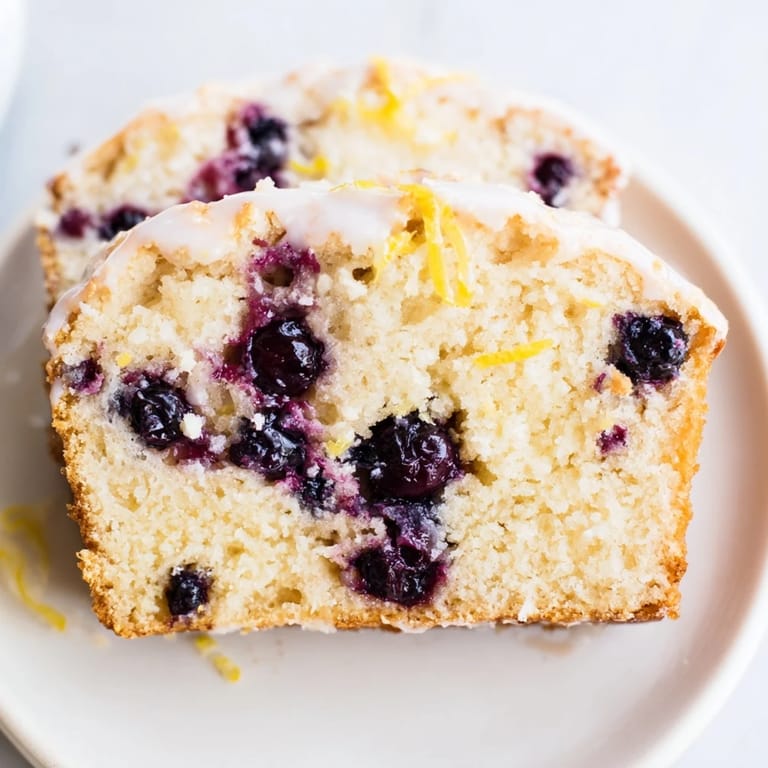
 There's something magical about watching a blender do all the heavy lifting while you stand there, coffee in hand, wondering why you ever made cakes the complicated way. This lemon blueberry yogurt loaf practically makes itself—just toss everything into the blender, fold in the berries, and slide it into the oven. The result is a tender, impossibly moist cake that tastes like summer in a slice, with bright lemon cutting through creamy yogurt and plump blueberries scattered throughout.
I discovered this method on a rainy Tuesday morning when my hand mixer mysteriously vanished into a kitchen cabinet and refused to come out. Desperate to bake something, I grabbed the blender sitting on the counter and thought, why not? Twenty minutes later, I had batter smoother than anything I'd ever creamed together, and my neighbor's eyes went wide when she walked in mid-bake and caught that buttery-lemon-blueberry smell wafting through the hallway.
Ingredients
- Eggs (2 large): These emulsify with the oil and yogurt to create structure without any creaming required—one of the blender's secret superpowers.
- Greek yogurt (1 cup): Use full-fat for maximum moisture and tanginess; the acidity brightens everything and tenderizes the crumb beautifully.
- Vegetable oil (1/2 cup): Neutral oil keeps the cake tender longer than butter would; it doesn't set firm as it cools.
- Lemon zest (1 tbsp finely grated): Zest right before blending to capture the oils; this is where all the perfumy brightness lives.
- Fresh lemon juice (1/4 cup): Bottled juice works, but fresh tastes noticeably sharper and more alive in the final loaf.
- Vanilla extract (1 tsp): Rounds out the tartness and lets the lemon sing without tasting one-note.
- All-purpose flour (1 1/2 cups): Don't sift unless you like extra-delicate cake; a gentle stir through the dry goods is enough.
- Granulated sugar (3/4 cup): This amount balances the lemon's tang without making the cake cloying.
- Baking powder (2 tsp) and baking soda (1/2 tsp): The combination gives you lift and a slight tang that plays with the yogurt.
- Fine sea salt (1/4 tsp): Salt magnifies flavor—don't skip it, even in small amounts.
- Fresh blueberries (1 cup): Frozen work just as well and distribute more evenly; the flour coating prevents them from sinking to the bottom.
Tired of Takeout? 🥡
Get 10 meals you can make faster than delivery arrives. Seriously.
One email. No spam. Unsubscribe anytime.
Instructions
- Set up your pan and heat:
- Preheat the oven to 350°F and grease a 9x5-inch loaf pan, then line it with parchment paper so the cake lifts out cleanly. A hot oven waiting is half the battle.
- Blend the wet base:
- Pour eggs, yogurt, oil, lemon zest, lemon juice, and vanilla into the blender and blend until completely smooth and pale, about 1 minute. You'll see the texture transform into something almost fluffy.
- Add dry ingredients gently:
- Sprinkle flour, sugar, baking powder, baking soda, and salt into the blender and pulse—don't fully blend, just until the dry streaks disappear and everything is barely combined. Overmixing creates tough tunnels, so restrain yourself here.
- Fold in the blueberries:
- Toss the blueberries with 1 tbsp flour, then use a spatula to gently fold them into the batter by hand—never put them in the blender or you'll end up with purple cake. This gentle folding keeps them whole and suspended.
- Pour and bake:
- Transfer the batter to your prepared pan, smooth the top gently, and slide it into the oven for 50–55 minutes. The cake is done when a toothpick inserted into the center comes out clean or with just a few moist crumbs.
- Cool with patience:
- Let the loaf sit in the pan for 10 minutes—this lets it set slightly without becoming dry—then turn it out onto a wire rack to cool completely. Rushing this step is tempting but yields a fragile cake.
- Glaze if you wish:
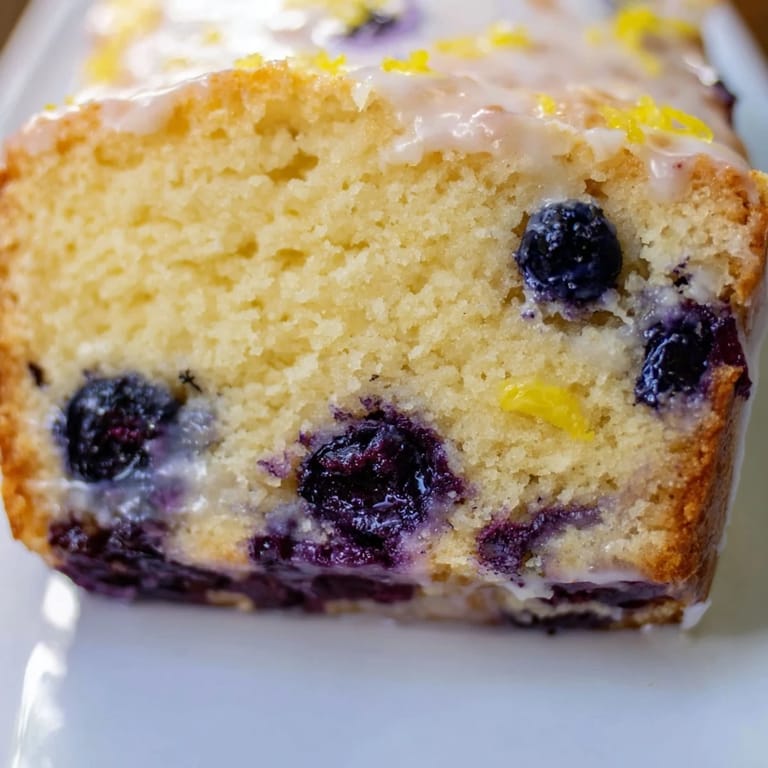
- Whisk powdered sugar with 1–2 tbsp fresh lemon juice until smooth, then drizzle it over the completely cooled loaf for extra tang and a pretty finish.
 Pin it
 The moment I understood why this cake went viral was when my 9-year-old nephew took a bite, closed his eyes, and asked if I'd made it at a bakery. I watched him eat three slices without stopping, and that's when I realized some recipes aren't just about efficiency—they're about the joy of making something so good that people forget to ask how you did it.
Why This Method Changes Everything
Traditional creaming—beating butter and sugar together—takes time and relies on technique most home bakers don't have time for anymore. This blender method skips that entirely by letting the eggs and oil emulsify naturally, creating an incredibly tender crumb without any fuss. The lemon and yogurt amplify each other's brightness, so you get complexity from simplicity. It's the kind of cake that makes you feel clever without actually being complicated.
Variations Worth Trying
The base is forgiving enough to play with, so don't hesitate to swap flavors once you've made it once. Raspberries work beautifully in place of blueberries, or try adding 1/2 tsp almond extract for an unexpected depth that makes people ask what your secret is. For dairy-free versions, coconut yogurt works perfectly and tastes subtly tropical without overpowering the lemon.
Pairing and Serving Ideas
This loaf lives everywhere—grab a slice with coffee on Sunday morning, pack it for lunch, or dress it up with whipped cream for dessert. It also keeps beautifully for three days wrapped tightly, and actually improves slightly as the flavors meld together. Earl Grey tea is its perfect companion, but honestly, cold milk works just as well.
- Slice it while it's still warm from cooling if you love that tender, slightly soft interior.
- Toast day-old slices and you'll understand why some cakes improve with a little heat.
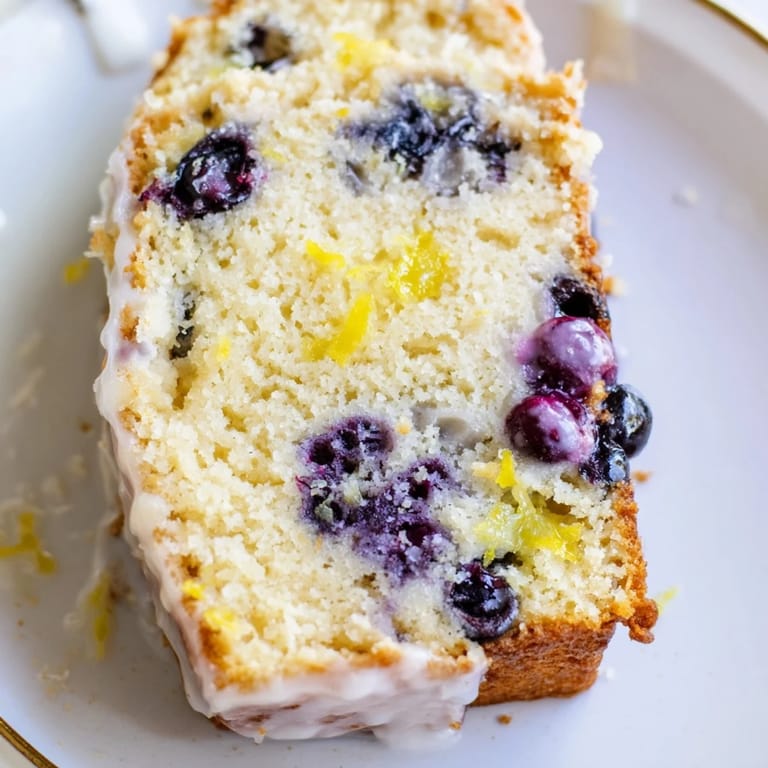
- The glaze is optional but gives you a professional-looking finish that makes any slice feel special.
 Pin it
 This cake proves that the best recipes aren't the ones with the most steps or fanciest techniques—they're the ones that deliver big flavor and bigger smiles with minimal fuss. Make it once and it'll become your go-to.
Recipe Questions & Answers
- → How do you prevent blueberries from sinking in the batter?
Toss the blueberries with a tablespoon of flour before folding them gently into the batter to keep them evenly distributed.
- → Can I substitute Greek yogurt with a dairy-free option?
Yes, coconut yogurt or other dairy-free yogurts can be used to maintain moisture and texture in the loaf.
- → What is the purpose of lemon zest in the loaf?
Lemon zest adds bright, citrusy aroma and flavor that enhances the overall freshness of the loaf.
- → How should I store the loaf for best freshness?
Keep the cooled loaf wrapped tightly or in an airtight container at room temperature for up to three days, or refrigerate for longer.
- → Can I add a glaze to the loaf?
Yes, whisk powdered sugar with fresh lemon juice to create a simple glaze that adds sweetness and tangy contrast when drizzled over the cooled loaf.
- → What baking pan size is recommended?
A 9x5-inch loaf pan ensures even baking and proper loaf shape.