 Pin it
 There's a particular moment in my kitchen when everything smells right—when peanut butter and coconut milk meet over gentle heat and the spices start their slow whisper into the pan. That's when I know this Indonesian satay sauce is going to be exactly what the meal needs. The first time I made it, I was feeding a small group of friends, and someone asked if it was store-bought because it tasted so effortlessly balanced. I've been making it ever since, tweaking it just slightly each time until it became second nature.
I made this sauce for a casual Saturday dinner where grilled chicken skewers were the main event. One of my guests asked for the recipe after the first bite, and I realized I'd been keeping it mostly to myself. That's when it clicked that some recipes deserve to be shared because they bring people back to the table, asking for just one more bite of whatever you're serving them with.
Ingredients
- Creamy peanut butter (¾ cup): Choose unsweetened and unsalted so you control the entire flavor profile—it's the backbone, so quality matters here.
- Coconut milk (1 cup): Full-fat is non-negotiable if you want that luscious, clinging texture that makes every bite feel luxurious.
- Soy sauce (2 tablespoons): This adds depth and umami that you can't replicate any other way; tamari works if you need gluten-free.
- Fresh lime juice (2 tablespoons): Freshly squeezed changes everything—bottled just doesn't have the same brightness.
- Brown sugar (1 tablespoon): A small amount rounds out the flavors without making it taste sweet, or use palm sugar for authenticity.
- Garlic clove, minced (1): Raw garlic keeps its sharpness here, adding a little kick that grounds all the other flavors.
- Ground coriander (½ teaspoon): This gentle spice whispers in the background, adding a subtle floral note you'll notice but can't quite name.
- Ground cumin (½ teaspoon): It brings warmth and earthiness, connecting all the other spices into one coherent whole.
- Chili flakes (¼ teaspoon): Start conservatively—you can always add more heat, but you can't take it back once it's in.
- Salt (¼ teaspoon): Taste as you go; the soy sauce brings saltiness too, so be gentle here.
- Fish sauce (1 teaspoon, optional): If you add this, keep it optional for vegetarian friends, but it does add a savory layer that's hard to describe but easy to taste.
- Water (2 tablespoons, as needed): Keep this nearby for thinning if your sauce thickens more than expected.
Tired of Takeout? 🥡
Get 10 meals you can make faster than delivery arrives. Seriously.
One email. No spam. Unsubscribe anytime.
Instructions
- Melt the base together:
- Combine peanut butter and coconut milk in a small saucepan over medium heat, whisking until they're completely smooth and there are no streaks of either ingredient. This takes about a minute, but don't rush it—lumps of peanut butter won't dissolve later.
- Build the flavor:
- Add soy sauce, lime juice, brown sugar, minced garlic, coriander, cumin, chili flakes, and salt all at once. Stir everything together and let it sit for a moment so the spices can begin waking up before the heat activates them further.
- Simmer to glossy:
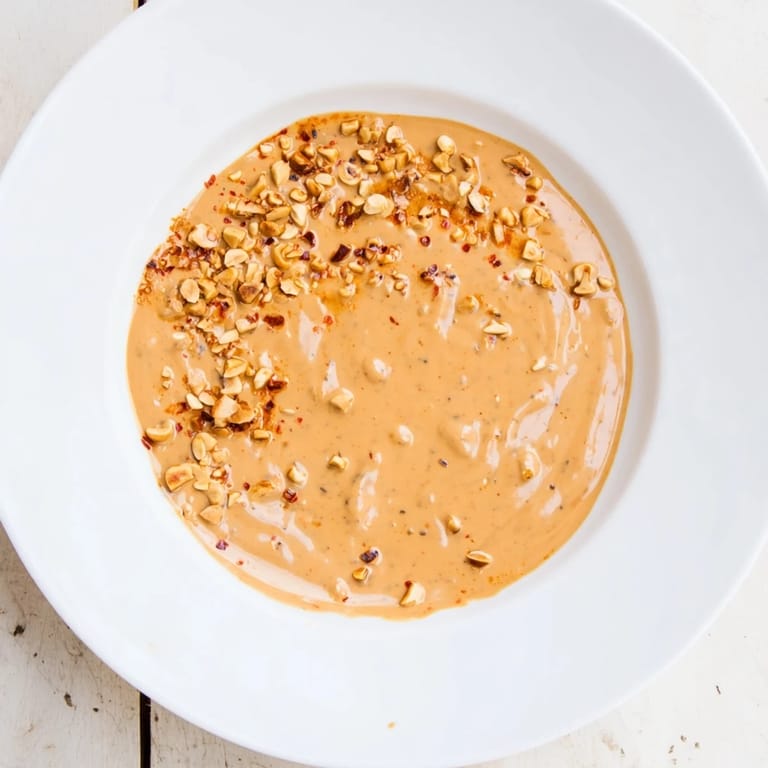
- Bring the mixture to a gentle simmer—you want small bubbles at the edges, not a rolling boil—and stir frequently for three to five minutes. You'll notice the sauce thickening slightly and developing a subtle sheen that means the flavors are marrying together.
- Taste and adjust:
- This is where you make it your own: add more lime if it needs brightness, more sugar if it tastes too sharp, or more chili if you want heat to linger. Tasting is the only way to know what it needs.
- Thin if necessary:
- If the sauce becomes thicker than you'd like, whisk in water a tablespoon at a time until it reaches that perfect dipping consistency that clings to food but still flows.
- Finish and rest:
- Remove from heat and stir in fish sauce if you're using it, then let the pan sit off the heat for a minute or two before serving. This short rest lets everything settle into its final form.
 Pin it
 I served this sauce at a potluck once with grilled vegetables I'd made that morning, and someone asked if they could take the leftover sauce home. That's the moment I understood that a great sauce isn't just an accompaniment—it's the reason people come back for more. It transformed simple grilled food into something memorable.
How to Serve It
This sauce is happiest when it has something to cling to: grilled chicken satay skewers, beef strips fresh off the grill, crispy tofu that still has that golden edge, or even fresh vegetables if you're keeping it light. I've drizzled it over a simple salad and watched people ask what made it suddenly taste so restaurant-quality. It works cold or gently reheated, and it's forgiving enough that you can make it hours ahead without any worry.
Storing and Reheating
Keep it in a glass container in the refrigerator for up to five days, though honestly, it rarely lasts that long in my house. When you reheat it, go low and slow—a gentle stir in a saucepan over low heat or even thirty seconds in the microwave, checking and stirring halfway through. The sauce holds its texture beautifully and tastes just as good reheated as it does fresh.
Variations and Customizations
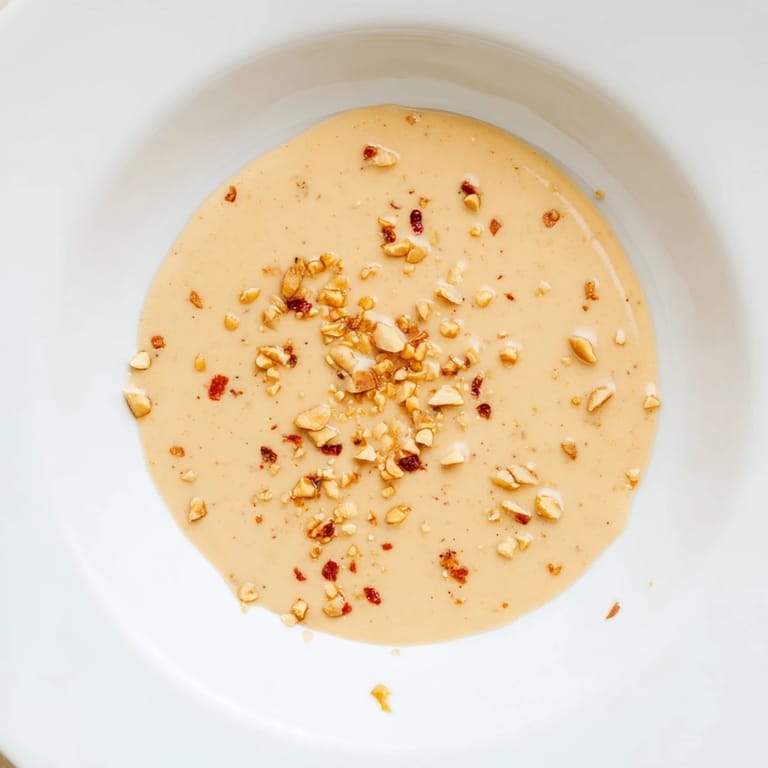
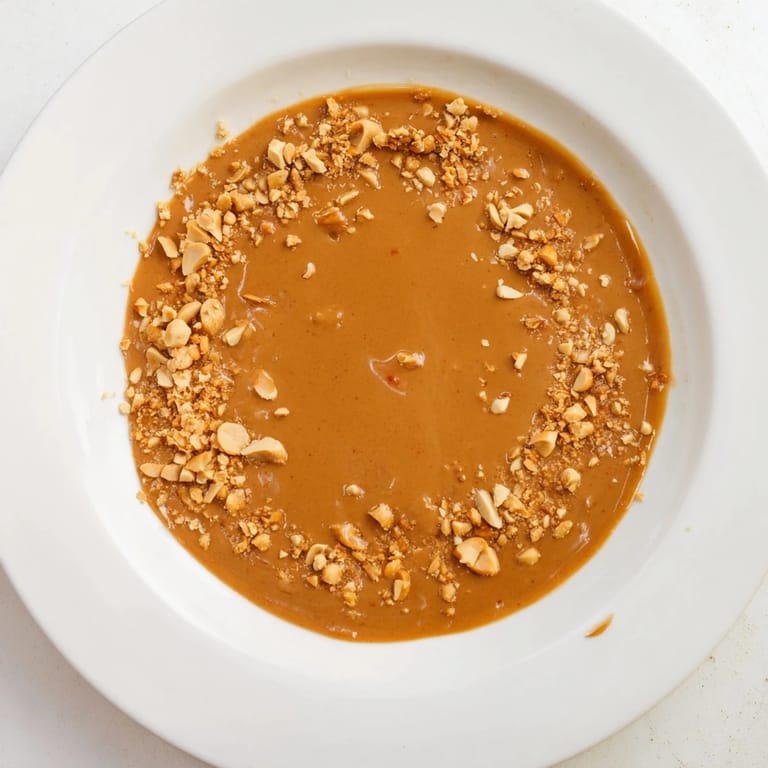
Once you understand how this sauce works, you can play with it. Some days I add crushed roasted peanuts at the very end for texture and a deeper peanut note that makes it feel more substantial. I've added a splash of rice vinegar to brighten it further, or a tiny touch of ginger for warmth on cooler evenings. The base is stable enough that small changes feel like you're making it your own rather than breaking something that was working.
- Crush roasted peanuts and stir them in at the end if you want more texture and a richer peanut flavor.
- Try tamari or coconut aminos instead of soy sauce if you're navigating gluten restrictions or want a different umami profile.
- A teaspoon of grated fresh ginger, added with the other seasonings, brings brightness and warmth without changing the fundamental character of the sauce.
 Pin it
 A great sauce should make people wonder what you did differently, even though the answer is usually just paying attention to small details and tasting as you go. This one does exactly that.
Recipe Questions & Answers
- → What is the main base of this Indonesian sauce?
The base combines creamy peanut butter and full-fat coconut milk, providing richness and smooth texture.
- → How can I adjust the spiciness of the sauce?
Modify the amount of chili flakes according to your desired heat level for mild to moderate spiciness.
- → Is there an option for a thinner sauce consistency?
Yes, whisking in 1–2 tablespoons of water allows you to reach your preferred pourable consistency.
- → Can this sauce be made gluten-free?
Use gluten-free soy sauce alternatives like tamari or coconut aminos to keep the sauce gluten-free.
- → How long can the sauce be stored and how should it be served?
Refrigerate up to 5 days and gently rewarm before serving as a dip or drizzle over grilled items.
- → What optional ingredient adds extra depth for non-vegetarians?
Adding fish sauce provides an additional savory complexity for those not following a vegetarian diet.